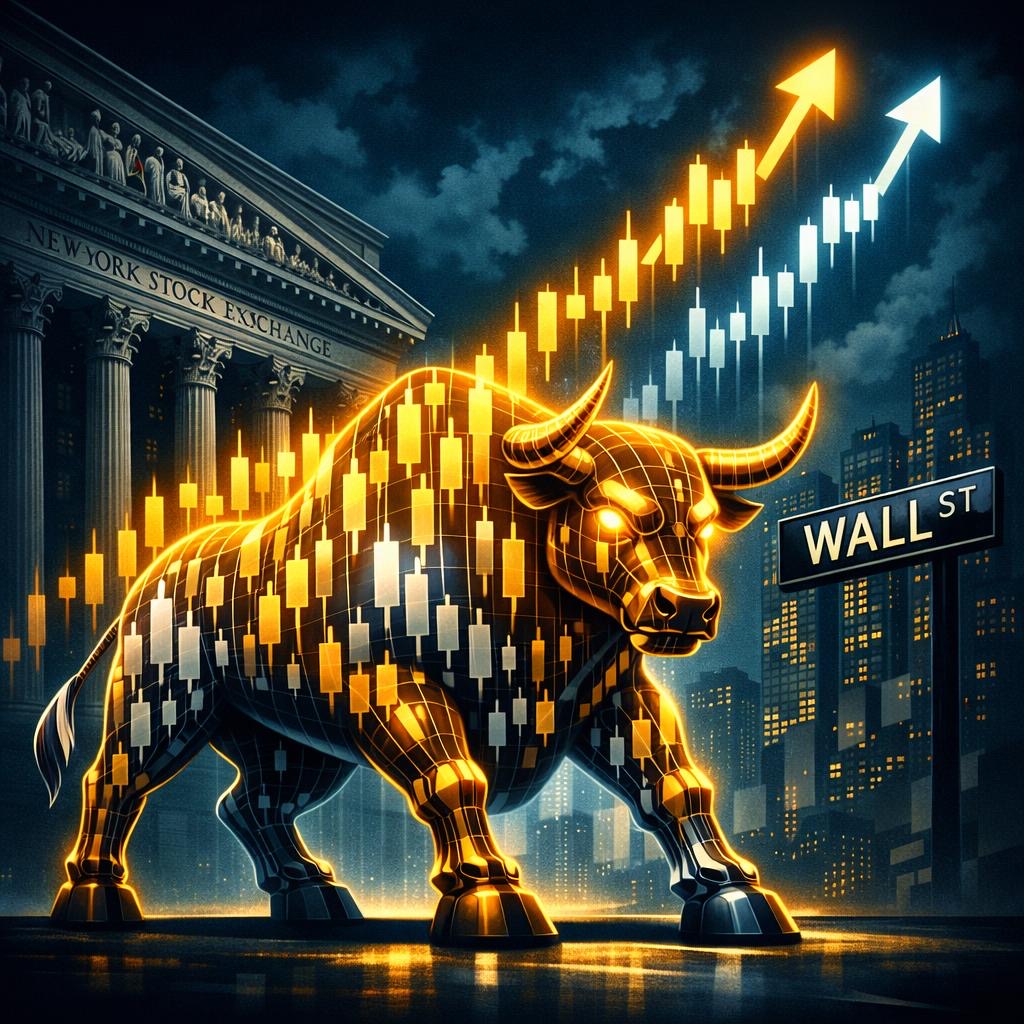
On April 15, 2026, the index closed above 7,000 points for the first time ever — and whether you’re a seasoned investor or just getting started, this milestone has real implications for your money.
In this post, we’re breaking down what actually happened, what’s driving the rally, and — most importantly — what you should (and shouldn’t) do with your money right now.
📈 What Just Happened in the Market
On Wednesday, April 15, 2026, the S&P 500 officially closed above the 7,000 mark — a level that many analysts once thought was years away. The index hit an intraday high of 7,008, just nudging past the brief January 2026 surge where it first touched 7,002.
Thursday morning (today, April 16) saw a slight pullback as investors took profits, but the mood on Wall Street is decisively optimistic. Here’s the headline snapshot:
- 🟢 S&P 500: Above 7,000 — all-time record close
- 🟢 Nasdaq: Above 24,000 — also a record
- 🟡 Jobless Claims: Dropped to 207,000 — a strong labor market signal
- 🟡 Oil (WTI): Around $91.53/barrel — elevated but stable
Source: TheStreet, Bloomberg, CNBC — April 16, 2026
🎬 Watch: What Does S&P 7,000 Mean for Investors?
Not a reader? No problem. Here’s a quick explainer video from CNBC covering today’s market milestone:
💡 Tip: Search YouTube for “S&P 500 7000 milestone 2026” for the latest video coverage if the embed above doesn’t load.
💡 Why 7,000 Is a Big Deal (Even If You Don’t Own Stocks)
You might be thinking: “I don’t have a brokerage account — why should I care?” Here’s the thing: even if you’re not actively investing, the S&P 500 affects you in more ways than you think.
- Your 401(k) or retirement account is almost certainly tied to S&P 500 index funds.
- Pension funds, IRAs, and employer match programs track the index.
- Economic confidence ripples into hiring, wages, and lending rates.
The S&P 500 crossed the 5,000 mark just two years ago. Getting to 7,000 in that time represents one of the fastest wealth-creation cycles in market history. Whether that’s sustainable is the real question.
🔥 What’s Actually Driving This Rally?
This isn’t just hype. There are real forces pushing the market higher right now:
1. Big Bank Earnings Beat Expectations
Q1 2026 earnings season kicked off strong. Bank of America and Goldman Sachs both reported solid results. Goldman in particular benefited from a massive rebound in global IPO activity — the kind of deal-making that signals corporate America is feeling good about the future.
2. AI Is No Longer Speculative — It’s Industrial
Technology stocks delivered roughly 46% earnings growth in Q1, accounting for nearly 80% of the market’s total profit increase. Companies like Nvidia, Meta, and Amazon are spending hundreds of billions building AI infrastructure — and Wall Street is rewarding them for it.
3. Geopolitical Tensions Easing (For Now)
Ceasefire negotiations between the U.S. and Iran have reduced the “war premium” that was weighing on markets earlier in 2026. Oil is still elevated, but investors are cautiously optimistic that a deal holds.
4. A Strong Labor Market
Jobless claims fell by 11,000 this week to 207,000 — the biggest weekly drop since February. That’s the kind of number that tells the Federal Reserve the economy can handle its current interest rate policy.
🧠 What Should You Actually Do With Your Money Right Now?
Record highs trigger two emotional responses in most people: FOMO (fear of missing out) and fear of a crash. Neither should drive your financial decisions. Here’s the grounded approach:
✅ DO: Stay Invested If You’re Already In
Trying to time the market is a loser’s game for most people. Historically, missing just the 10 best trading days in a decade can cut your returns in half. If you have an index fund or 401(k), stay the course.
✅ DO: Consider Dollar-Cost Averaging
If you’re sitting on cash and nervous about buying at the top, dollar-cost averaging (DCA) — investing a fixed amount on a regular schedule — is one of the best risk management strategies for regular investors. It takes the emotion out of timing.
📚 Want to learn the basics? Books like The Little Book of Common Sense Investing by John Bogle are a great starting point. You can grab it on Amazon:
👉 The Little Book of Common Sense Investing — Check Price on Amazon
✅ DO: Rebalance If Your Portfolio Is Off
When stocks run hot, they can start to represent more of your portfolio than you planned. If your target was 70% stocks / 30% bonds and you’re now at 85/15, it might be time to rebalance.
❌ DON’T: Panic Buy Into Hype
Chasing meme stocks or jumping into individual AI names you don’t understand because “the market is up” is how people get burned. Stick to your strategy.
❌ DON’T: Pull Everything Out Because You’re Scared
Yes, corrections happen. But going to cash means you lock in losses AND miss the recovery. Unless you have a specific short-term need for that money, staying invested usually wins long term.
🛠️ Tools to Help You Invest Smarter in 2026
Whether you’re just starting out or optimizing an existing portfolio, these tools and books can help:
📖 Books Worth Reading
- The Psychology of Money by Morgan Housel — Possibly the best personal finance book of the decade. Practical, real, and not boring.👉 Check Price on Amazon
- A Random Walk Down Wall Street by Burton Malkiel — The timeless case for index fund investing.👉 Check Price on Amazon
- I Will Teach You to Be Rich by Ramit Sethi — A no-shame guide for people who want to build wealth without being finance nerds.👉 Check Price on Amazon
💻 Free Tools to Track Your Portfolio
- Personal Capital / Empower — Free net worth tracker and investment dashboard
- Yahoo Finance — Free real-time market data and portfolio tracker
- Morningstar — Excellent for researching ETFs and mutual funds
🎯 Bottom Line
The S&P 500 hitting 7,000 is historic — but it doesn’t mean you need to do anything drastic. The best move for most everyday investors is the boring one: keep investing consistently, diversify, and don’t let headlines make your financial decisions for you.
The market will have corrections. It always does. But for long-term investors, the direction has always been up.
Got questions about investing or want to see more breakdowns like this? Drop a comment below or reach out here. We read everything.
📌 Disclaimer: This post is for informational and educational purposes only. It is not financial advice. Always do your own research or consult a licensed financial advisor before making investment decisions.
💡 This post contains affiliate links. If you purchase through them, Mika Money AI may earn a small commission at no extra cost to you. We only recommend products we genuinely believe in.