
Posted by Mika Munoz · May 12, 2026
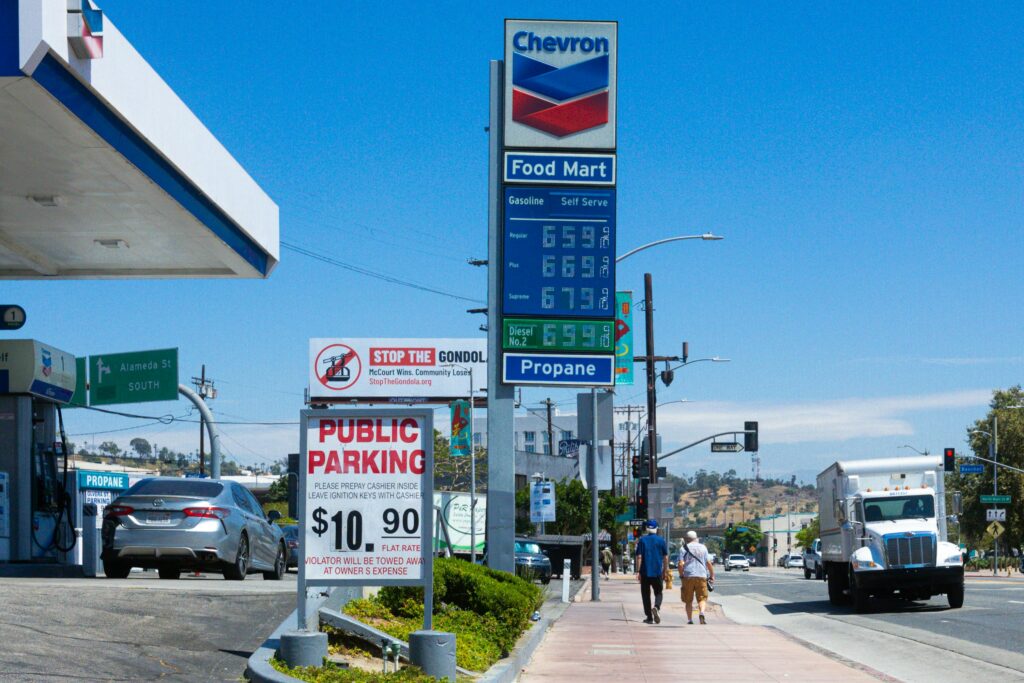
I pulled into the gas station yesterday and stared at the pump for a full ten seconds.
$6.59 a gallon. Up $3.59 since March. And it’s only going one direction. (and… yes, I’m in California, we are bleeding)
If you’re feeling the squeeze — at the pump, at the grocery store, on your electric bill — you’re not imagining it. The numbers just made it official.
What just happened to the economy
On Tuesday, the Bureau of Labor Statistics dropped the April Consumer Price Index report, and the headline number stings: inflation is now running at 3.8% year over year, the highest level since May 2023.
Three things are driving it:
- The Iran war. Oil tankers are getting snarled in the Strait of Hormuz, which is the chokepoint for roughly 20% of the world’s energy. When that artery clogs, every gas pump, plane ticket, and shipping invoice in America feels it.
- Energy spillover. Gas alone accounts for 40% of last month’s CPI jump. Airfares are up 20% year over year. Anything trucked, flown, or shipped is repricing.
- Housing catch-up. Last fall’s six-week government shutdown delayed CPI data collection, and April’s report includes the make-up math. So part of the spike is statistical — but the rent on your apartment doesn’t care about statistics.
Here’s the part nobody is saying out loud: wages aren’t keeping up. Real average hourly earnings will likely come in flat or negative for April, and economists are calling May “definitely negative.” Translation: even if you got a raise, you’re getting a pay cut.
The K-shaped economy is getting steeper
There’s a phrase economists keep using right now: K-shaped recovery. The top half of the K is going up, the bottom half is going down, and the gap between them is widening every month.
Disney just confirmed their domestic park bookings and cruise reservations are strong through the rest of 2026 — but that’s the $150,000+ household crowd. Meanwhile, the National Retail Federation is reporting that spending is “bifurcated,” and personal loan applications are climbing as lower-income households start putting groceries on credit cards.
If you’re reading this, you’re probably somewhere in the middle. Which means now is the moment to act — before the squeeze gets tighter.
Here’s the 5-step plan.
Step 1: Audit your gas spending this week (not next month)
Before you do anything else, open your bank app and add up what you spent on gas in April. Then in March. Then in February.
That number is going to keep climbing unless you change something. Three high-leverage moves:
- Combine errands into one weekly trip. Two trips to Target a week at 10 miles round-trip = roughly $30/month in gas you didn’t have to spend.
- Use GasBuddy or the Costco gas app. Difference between the cheapest and most expensive gas in a 5-mile radius is often $0.40+/gallon.
- Check your tire pressure. Underinflated tires cut fuel economy by up to 3%. Free at any gas station. Takes 4 minutes.

Step 2: Rebuild your emergency fund target
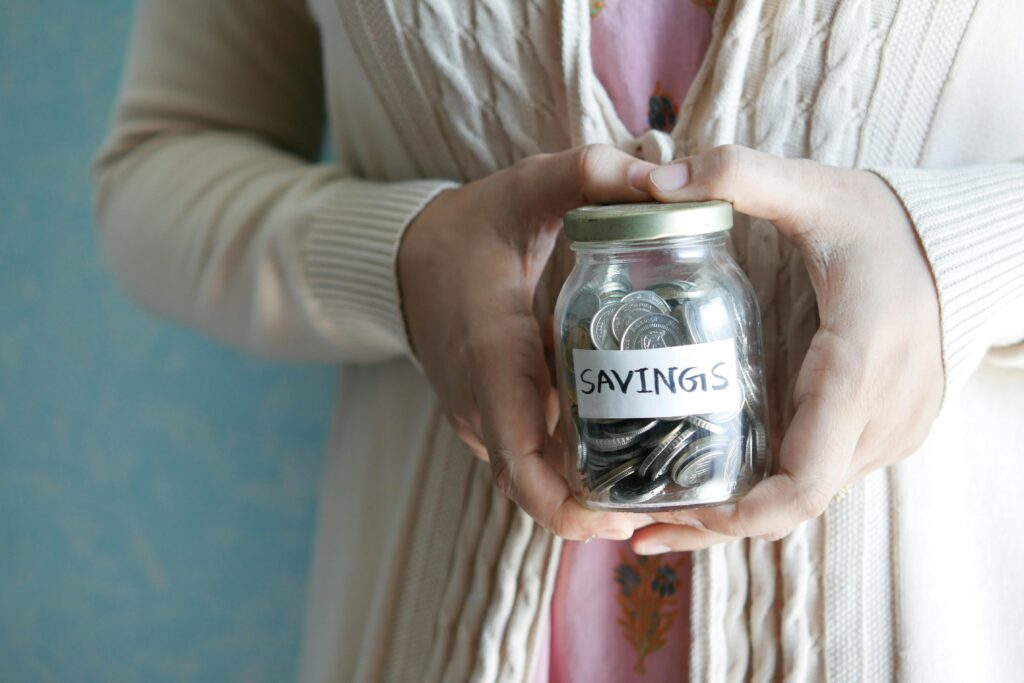
The old rule was 3–6 months of expenses. With the economy this volatile, I’m telling everyone I talk to: aim for 6 months minimum, and start with 1 month if that’s all you’ve got.
Your emergency fund should live in a high-yield savings account, not your checking account where you’ll spend it. Top options right now (rates as of May 2026):
- Ally Bank — currently around 4.0% APY, no minimum
- Marcus by Goldman Sachs — comparable rate, easy transfers
- Wealthfront Cash Account — around 4.25% APY with FDIC insurance through partner banks
The difference between leaving $5,000 in a Chase checking account (0.01% APY) and a high-yield account (4.0% APY) is about $200/year. That’s a tank of gas every other month, for free.
Step 3: Cut the right subscriptions (not the comforting ones)
Here’s where most “save money” articles get it wrong. They tell you to cancel everything that brings you joy.
Don’t. You’re going to be stressed about money for the next 6–12 months. You need the small joys.
Instead, attack the invisible drains:
- Streaming services you haven’t opened in 60 days
- Gym memberships if you haven’t been since March
- “Free trials” that converted to paid
- Subscription boxes
- Cloud storage you’re not using
- App subscriptions on your phone (check Settings → Apple ID → Subscriptions)
Average American is bleeding $200–$300/month on stuff they forgot they signed up for. Find it.
Step 4: Inflation-proof your pantry
This is the one I get the most pushback on, but it’s the most boring-effective thing you can do.
Every two weeks, when you grocery shop, buy one extra non-perishable item you actually use. Rice, beans, pasta, canned tomatoes, peanut butter, cooking oil, coffee.
In three months, you’ll have a pantry that absorbs a $50 grocery price spike without you noticing. In six months, you’ll have a real buffer against shortage scares (which, with Middle East shipping disrupted, are not theoretical).
The trick: only buy what you already eat. A pantry full of weird stuff you bought during a panic is not a buffer, it’s clutter.
Step 5: Make one income move in the next 30 days
Cutting is finite. You can only cut so much before there’s nothing left to cut. Earning has no ceiling.
In the next 30 days, pick ONE of these and start:
- Ask for a raise (the data is on your side — wages are supposed to be outpacing inflation, and yours probably aren’t)
- Pick up a side gig (delivery, freelance, weekend work)
- Sell three things from your house on Facebook Marketplace
- Apply for one job that pays more than yours
You don’t have to do all of them. You have to do one.
What I’m doing this week
I’m not going to pretend I have all of this figured out. Here’s my actual list for the next 7 days:
- Moving my emergency fund from regular savings to Wealthfront (taking the rate jump)
- Canceling two subscriptions I forgot about
- Asking my husband to do a joint 30-minute budget check on Sunday
- Buying an extra bag of rice and a jar of peanut butter this weekend
Small moves. Boring moves. The kind that compound while everyone else is panicking.
Books worth reading right now
I’ll be real with you: I’ve been re-reading my finance shelf this week, because when the news gets loud, going back to fundamentals helps. Three books that are absolutely worth picking up if you don’t already own them:
The Psychology of Money by Morgan Housel. The single best book on how your brain actually makes (and breaks) financial decisions. Short chapters, easy to read 10 minutes at a time, which is the only way most of us read books anyway.
I Will Teach You to Be Rich by Ramit Sethi. The 6-week setup chapter alone is worth the price. He walks you through automating your money so you don’t have to think about it daily.
Your Money or Your Life by Vicki Robin. Older book, but the “life energy” framework — calculating how many hours of your life each purchase actually costs — will permanently change how you spend.
Tools that actually help when money is tight
A few products I personally use or have used that earn their keep during squeeze months:
Apple Airtag 4-Pack — One of the most expensive things you can do during inflation? Lose your keys, your wallet, or your phone and have to replace them. A $25 tracker pays for itself the first time it saves you from buying a new $200 wallet or $35 in new keys.
A “Kill A Watt” plug-in monitor (~$25) tells you exactly which appliance is draining your power bill. The space heater I caught running unnecessarily last winter was costing me $45/month.
BeeGreen Reusuable Grocery Bags 10-pack — Boring but real: states that charge for plastic bags add up to $50–$80/year for a regular grocery shopper. A set of foldable reusable bags pays for itself in 4 months.
Hydro Flask 32oz Wide Mouth— Average American spends $1,400/year on coffee + bottled water out of the house. A good insulated bottle ($30) plus making coffee at home cuts that to under $300.
The bottom line
Wars end. Inflation cycles. Gas prices come back down — eventually.
What stays is the financial habits you build in the squeeze. The people who came out of 2008, 2020, and 2022 better off financially weren’t the ones who got lucky. They were the ones who used the bad times to build the muscle.
Start this week. One step. That’s all I’m asking.
If you found this helpful, subscribe to the Sunday Brief → for one practical money move every weekend. No spam, no doom-scrolling — just one small, useful thing.
— Mika